Beginning Your Transition
Being transgender or gender diverse is a matter of diversity, not pathology.
Guidance on the first steps of gender transition: hormone therapy, psychotherapy, facial and body surgery, and voice. It is for trans people who are starting their transition. Under Brazilian law, any surgery is only permitted from the age of 18. Hormone therapy begins after a consultation with an endocrinologist, and body surgery is planned carefully by the surgeon.
Gender dysphoria can be greatly relieved through treatment (Murad et al., 2010). Some people experience gender dysphoria to such an extent that it meets the criteria for a formal diagnosis of a mental disorder. According to international guidelines, such a diagnosis is no licence for stigmatisation or for depriving anyone of their civil and human rights.
It is very important to stress that transgender and gender-variant people are not ill. Rather, the distress of gender dysphoria, when present, is a form of suffering that can be diagnosed and for which different treatment options exist.
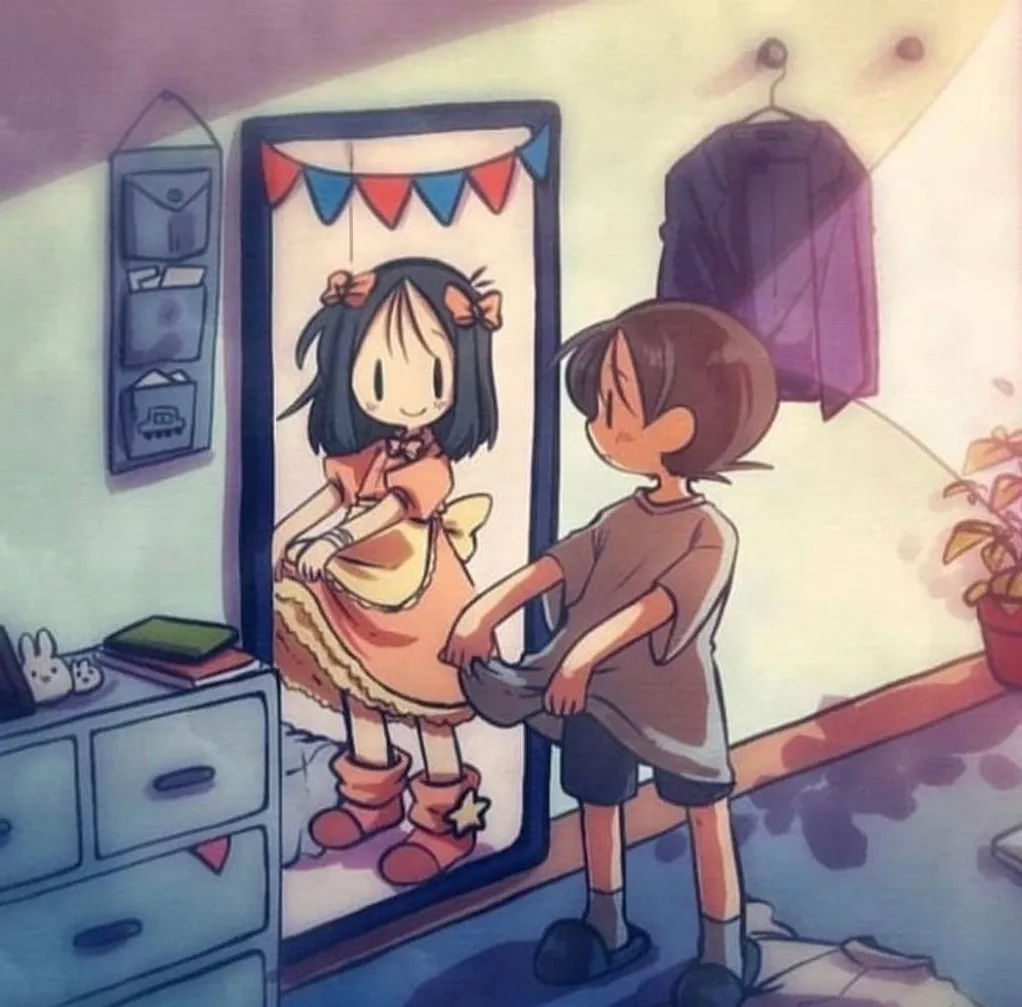
Having a diagnosis for this dysphoria often makes it easier for these patients to access medical care and allows early diagnosis of any health condition.
As the field has developed, health professionals have recognised that, while many people need both hormone therapy and surgery to relieve gender dysphoria, others need only one of these treatment options, and some need neither (Bockting and Goldberg, 2006; Bockting, 2008; Lev, 2004).
If you are starting your transition, you should know that any surgery is only legally permitted after the age of 18 under Brazilian law. From then on, there is no upper age limit for your transition; we have worked with transitions in patients over sixty. What matters is that you are in good health and that any health problems you have are under control.
Getting Started
The following should be considered as treatment options for managing gender dysphoria:
Hormone therapy to feminise or masculinise the body;
Surgery to change primary and/or secondary sex characteristics (breasts, external genitalia, facial features, body shape);
Psychotherapy to explore gender identity, role and expression; to address the negative impact of gender dysphoria and stigma on mental health; to ease internalised transphobia; to increase social and peer support; to improve body image; or to build resilience.
Hormone Therapy
Feminising hormone therapy involves giving medication (hormones) to bring about changes in a male body with the aim of making it more similar to a female body. It is a necessary medical intervention for many transgender and gender-variant women who experience intense discomfort or distress caused by dysphoria. Hormone therapy should be tailored to each transgender woman's goals, the risk/benefit balance of the medication, the presence of other medical conditions and her social and financial circumstances. Therapy should begin after a consultation with an endocrinologist. It is very important to say that the risks of starting hormone therapy without a medical professional are many and will stay with the patient for the rest of her life.

Facial Surgery
Hormones will have little influence on the structure of your face. You can therefore choose to have facial surgery before starting hormone therapy or wait until you are taking the medication. The decision will depend on personal factors and your life plans.

Mental Health Professional
Often, with the help of psychotherapy, some people are able to integrate their trans feelings into the gender role they were assigned at birth and do not feel the need to feminise or masculinise their bodies.

Body Surgery
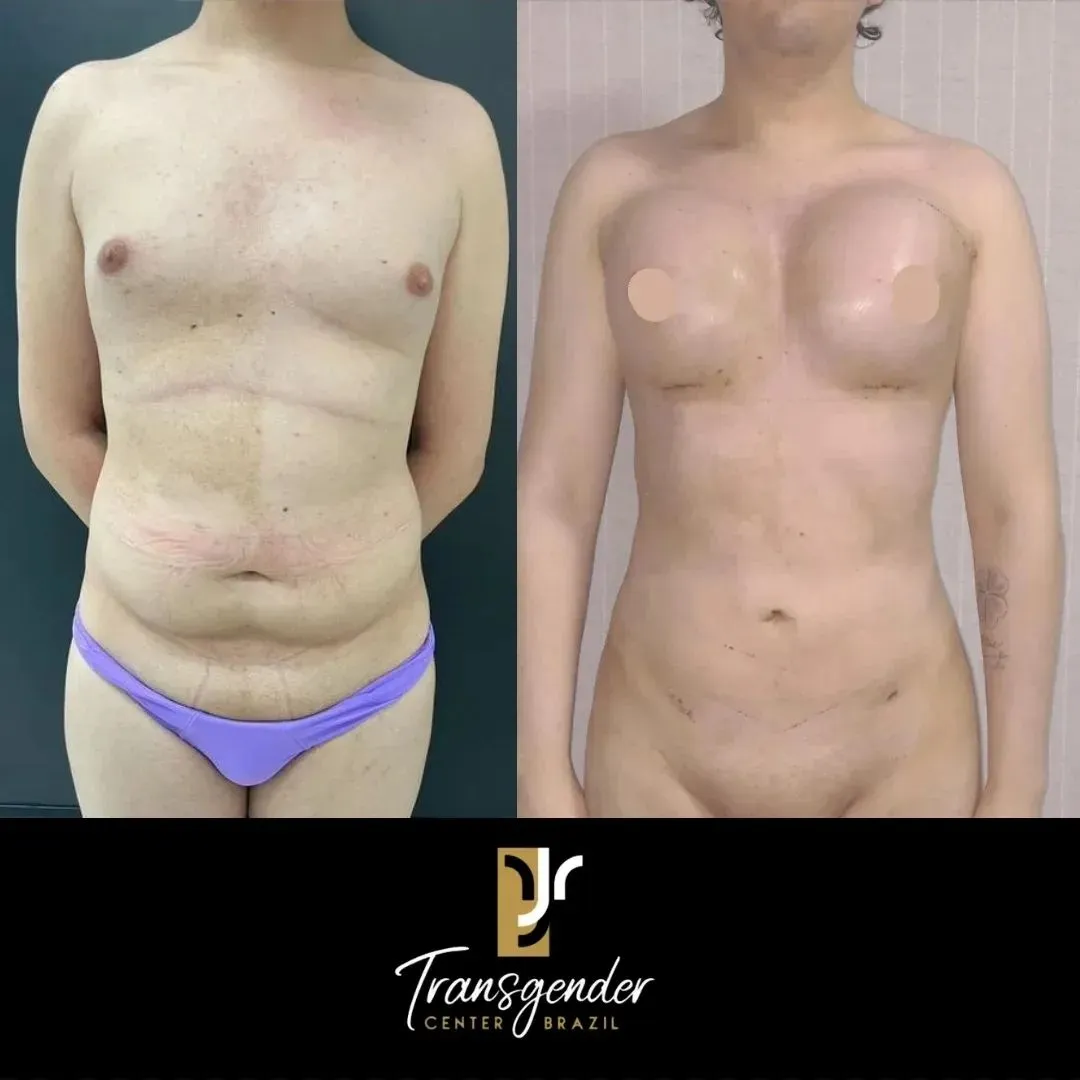
Body changes will depend on the dose, the medication used and whether it is taken as tablets, gel or injections. The choice is made by the endocrinologist based on each patient's specific goals. There is currently no evidence that the response to hormone therapy can be predicted from age, body type, ethnicity or family appearance. You should understand that most physical changes happen over two years, and the extent and exact timing of the effects can vary considerably. For this reason, body surgery must be planned very carefully by the surgeon.
Voice
Unlike in trans men, the voice is very little affected by hormones. If you have voice dysphoria, you should know that there are speech and language therapists who can help you with voice training that can work well. If you are still unhappy despite this, you can choose glottoplasty. This is a technique performed on the vocal folds, from inside the mouth, which allows your voice to be feminised.
Transition During Adolescence
Transgender people increasingly have the opportunity to express their true gender identity earlier in life, and transition during adolescence is a reality.
Physical interventions for adolescents are divided into three categories or stages (Hembree et al., 2009):
Fully reversible interventions
Suppressing the production of oestrogen or testosterone and, as a result, delaying the physical changes of puberty. Continuous oral contraceptives may be used to suppress periods.
Partially reversible interventions
Hormone therapy to feminise or masculinise the body. Some hormone-induced changes may need reconstructive surgery to reverse the effect (for example, gynaecomastia caused by oestrogen), while other changes cannot be reversed (for example, the deepening of the voice caused by testosterone).
Irreversible interventions
These are surgical procedures. A gradual process is recommended so that options remain open during the first two stages. No one should move from one stage to the next until enough time has passed for adolescents and their parents to fully take in the effects of the earlier interventions.
Frequently asked questions
At what age can I have gender-affirming surgery?
Under Brazilian law, any surgery is only permitted after the age of 18. From then on there is no upper age limit, and the clinic has worked with transitions in patients over sixty. What matters is being in good health, with any health problems under control.
Who prescribes hormone therapy?
Therapy should begin after a consultation with an endocrinologist, who chooses the medication, the dose and the route (tablets, gel or injection) according to each patient's goals. Starting hormones without medical supervision carries risks that stay with the patient for the rest of their life.
Do hormones change the face?
Hormones have little influence on the structure of the face. For this reason, facial surgery can be done before or after starting hormone therapy, depending on personal factors and life plans.
Do hormones change the voice of trans women?
The voice is very little affected by hormones. Speech and language therapists can help with voice training and, if dissatisfaction continues, there is glottoplasty, a technique performed on the vocal folds from inside the mouth.
Does every trans person need hormones and surgery?
Many people need hormone therapy and surgery, others need only one of these options, and some need neither.
Other procedures
Sex Reassignment
Vaginoplasty by penile inversion, with peritoneum or with an intestinal segment, and robotic surgery in selected cases. Aims, techniques and indications.
Learn MoreFacial Feminisation
Facial feminisation: type I and type III forehead contouring, canthopexy, jaw and chin contouring, Adam's apple reduction and associated techniques.
Learn MoreBody Feminisation
Body feminisation: breast implants placed under the muscle, high-definition liposuction, fat grafting and gluteoplasty with fat or implants.
Learn MoreGet in Touch
We are here to help you