Facial Feminisation
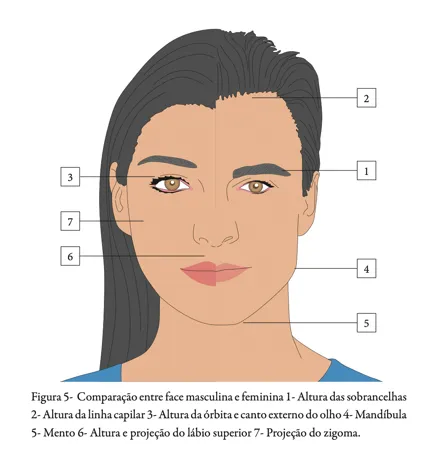
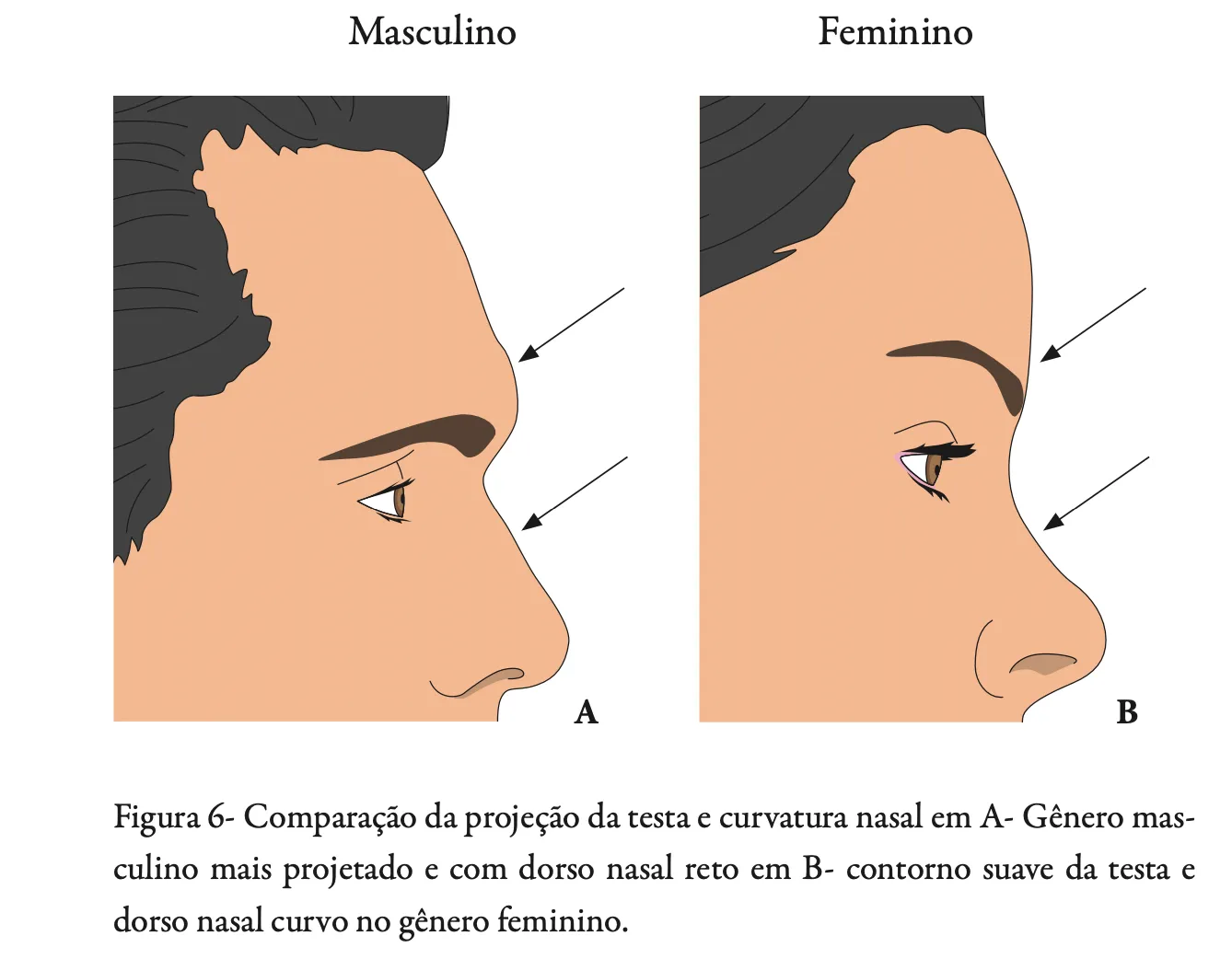
Facial feminisation is a set of surgical procedures that change the masculine features of the face, such as the forehead, eye sockets, outer corners of the eyes, jaw, chin and Adam's apple. It is mainly performed in trans women and also in cisgender women with markedly masculine features. The surgical plan is based on X-rays, CT scans, measurements, photographs and the patient's own self-assessment.
About the Procedure
Facial feminisation is a group of surgical procedures that aims to change the masculine features of a face. These techniques can be used in female patients (cisgender women) who have markedly masculine features or, more often, in transgender patients transitioning from male to female (MtF).
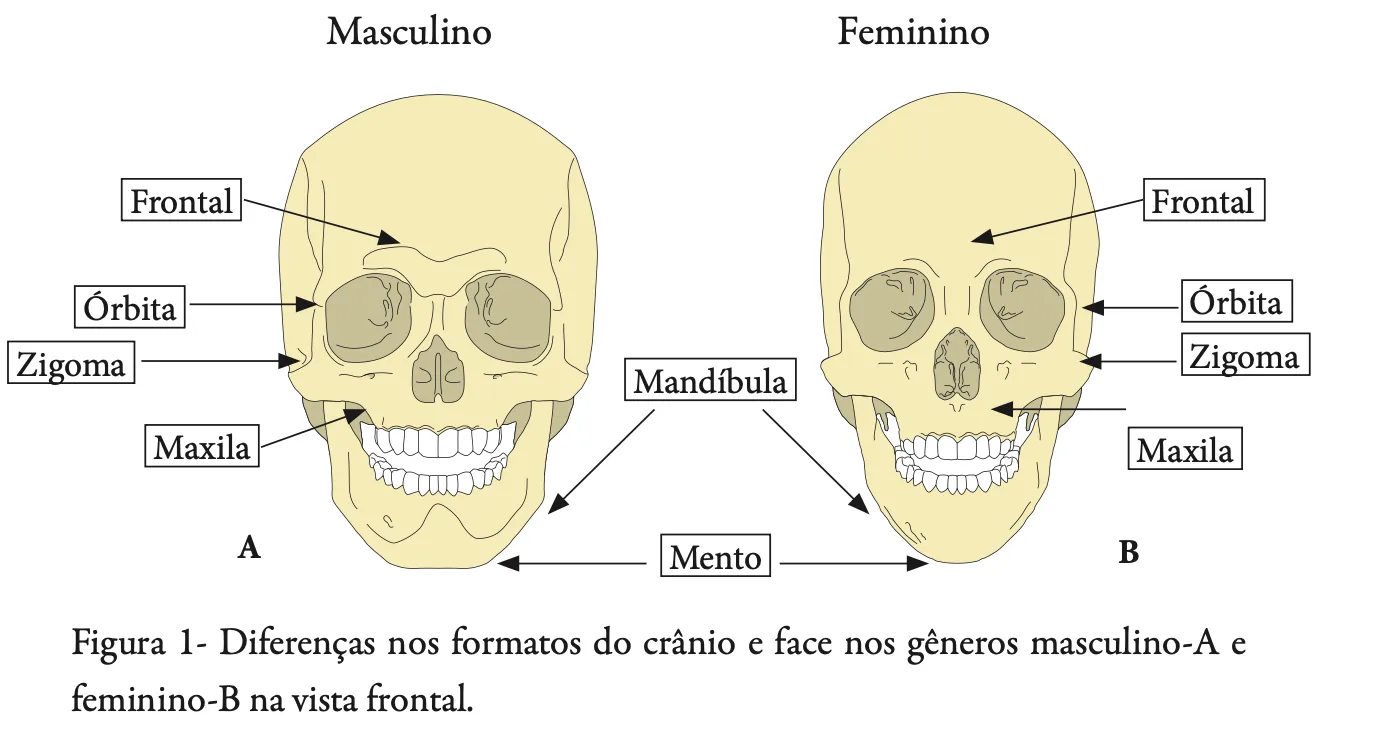
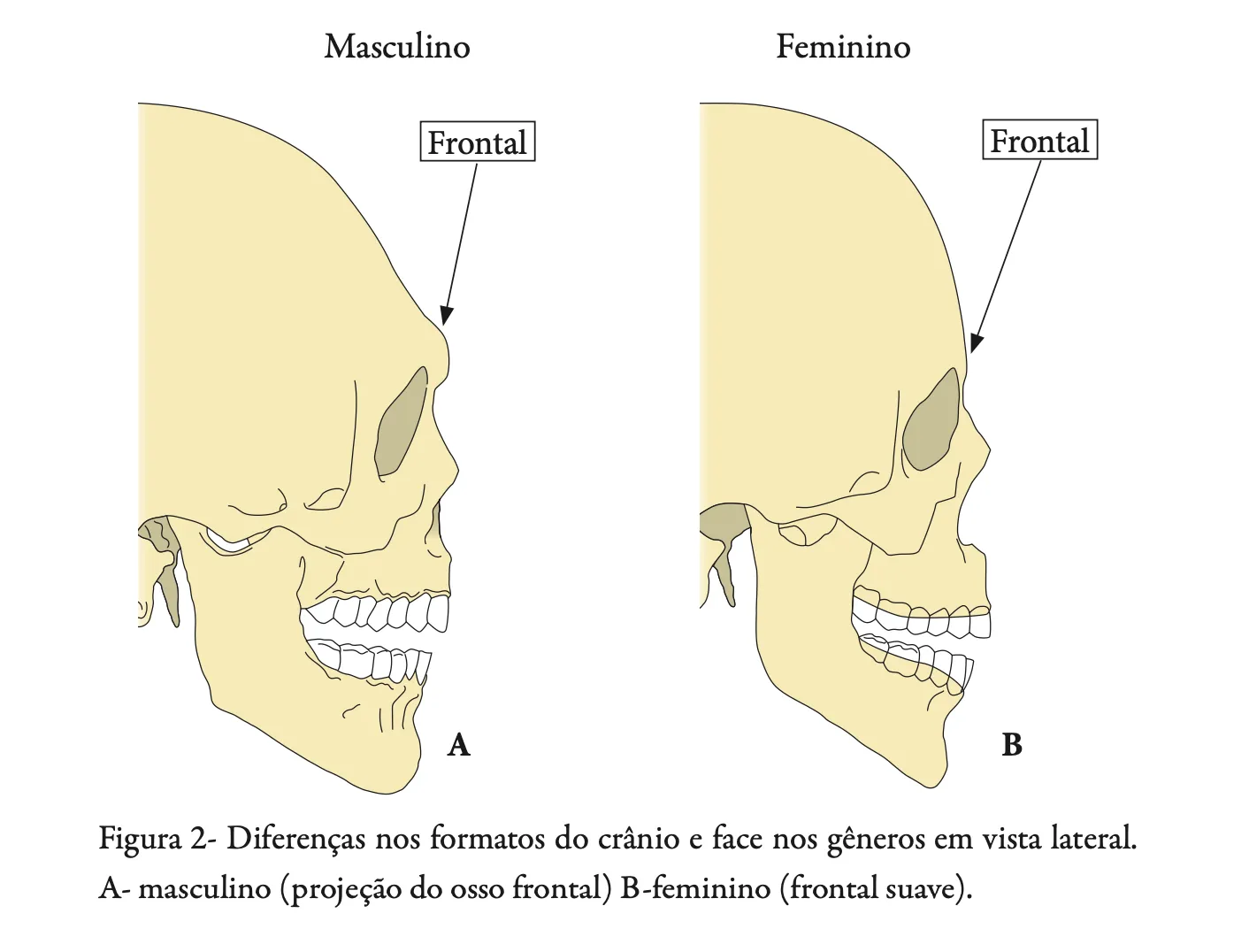
Diagnosis and surgical planning are based on a combination of skeletal assessments using X-rays, anthropometric measurements, CT scans, photographs and computer software. The patient's own self-assessment and, above all, the surgeon's experience are very important in surgical planning.
Main Techniques
Several techniques can be used to feminise a face, including:
1. Forehead Contouring: forehead and eye socket bones
The surgery involves an incision in the scalp, which can be within the hair (hidden in the hair) or along the hairline. It is important to note that whenever scalp advancement is needed, the incision must be along the hairline.
2. Canthopexy: outer corners of the eyes
Facial feminisation is the sum of changes to small anatomical details. One of these is the intercanthal axis, which is straighter in men than in women.
3. Facial Contouring: jaw and chin
Procedures to soften the angle of the jaw and refine the chin, creating more delicate, feminine contours.
4. Adam's Apple Reduction (Chondrolaryngoplasty)
Reducing the prominence of the thyroid cartilage for a more feminine-looking neck.
Forehead Contouring Technique
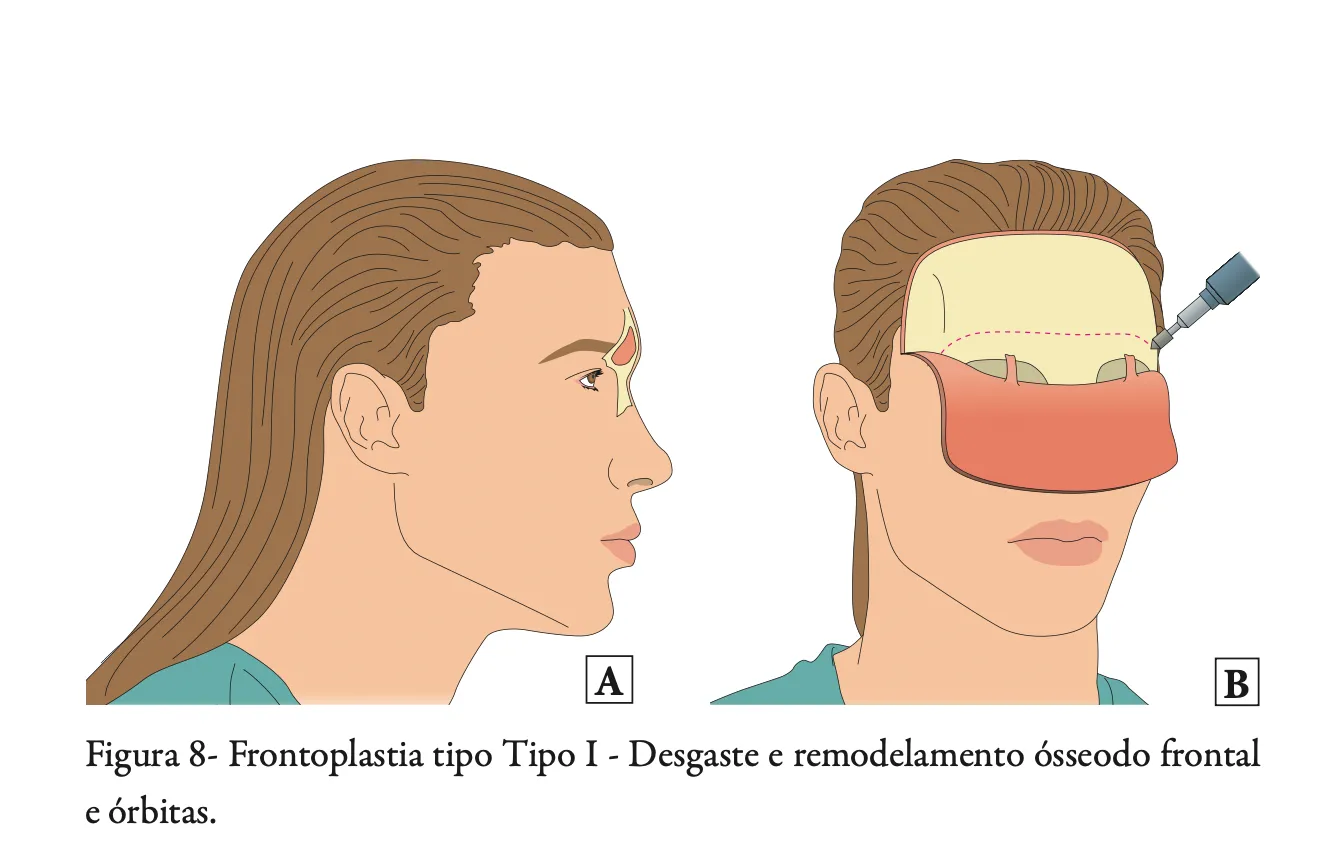
Type I Forehead Contouring
The surgery involves an incision in the scalp, which can be within the hair (hidden in the hair) or along the hairline. It is important to say that whenever scalp advancement is needed, the incision should be along the hairline. Every scar behaves differently depending on skin texture, oiliness and colour. Most scars settle well over the years, but there may be cases of hypertrophic, hypopigmented or atrophic scarring.
Type I forehead contouring is carried out by selectively reducing bone with rotary instruments and reshaping the eye sockets. No sections of bone are removed and no miniplates or miniscrews are used. This technique is indicated for patients with a thick frontal bone and little projection.
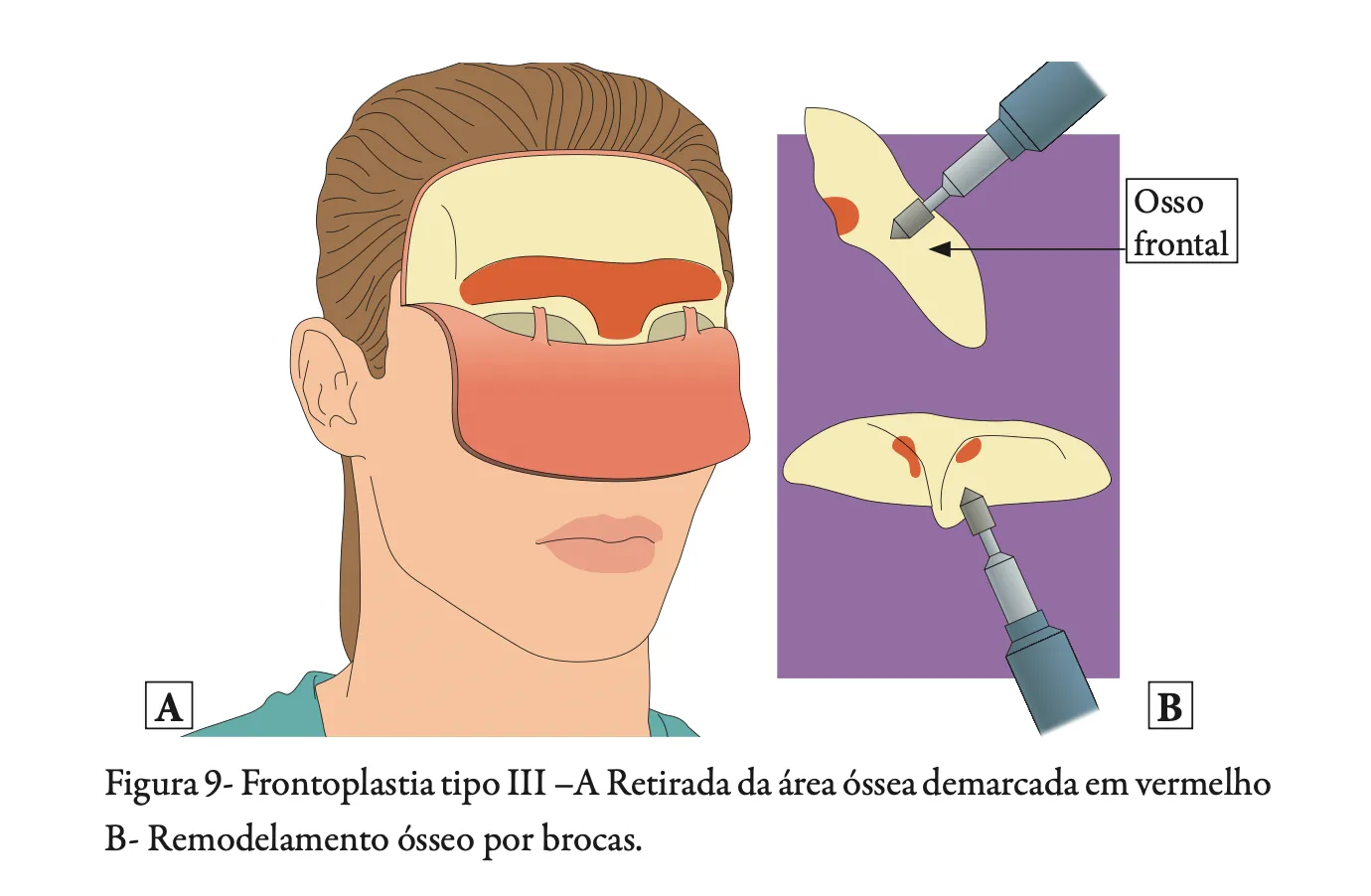
Type III Forehead Contouring
Type III forehead contouring is a technique in which a section of bone is removed, its size varying according to each patient's anatomy, then reshaped and repositioned, followed by fixation with titanium miniplates and miniscrews or titanium mesh, according to each surgeon's experience. This titanium material does not usually cause any problems and rarely needs to be removed.
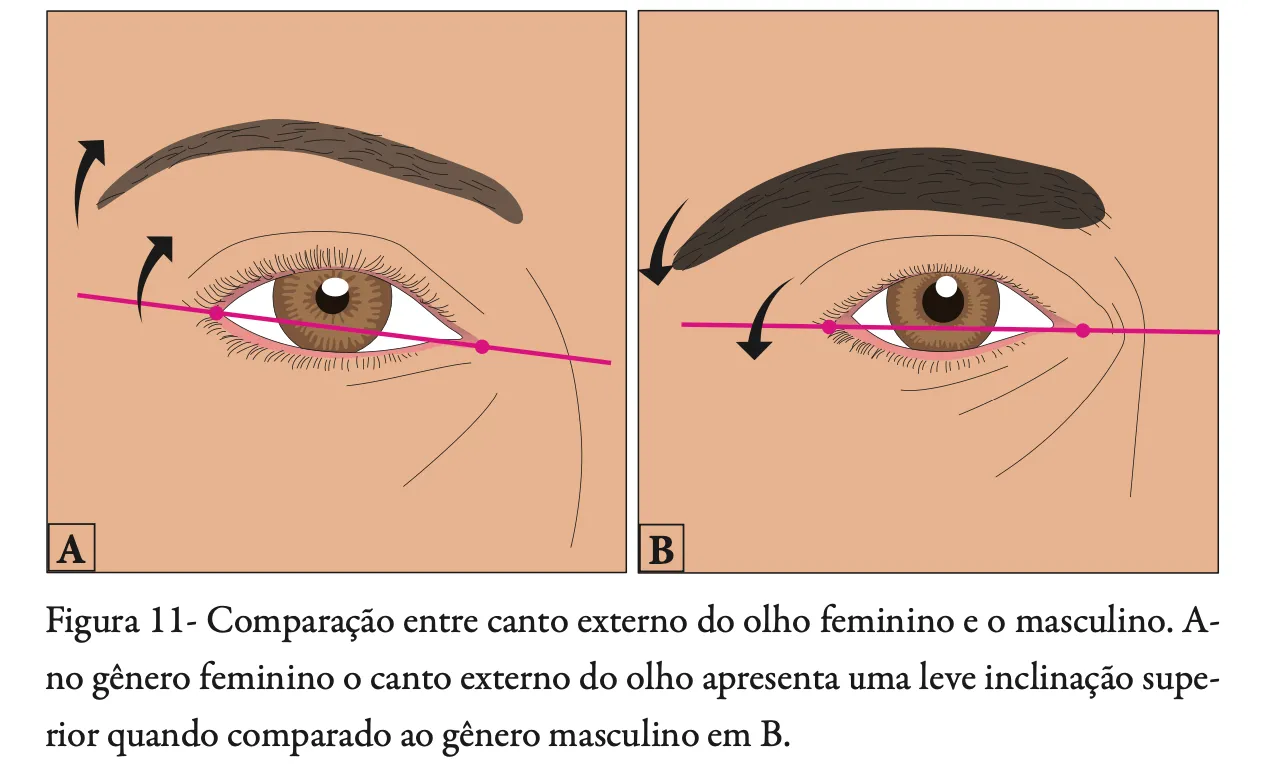
Outer Corner of the Eye
Facial feminisation is the sum of changes to small anatomical details. One of these is the intercanthal axis, which is straighter in men than in women. Techniques to tilt the outer corner of the eye can be applied, when indicated, at the time of forehead contouring or as a separate procedure after surgery.
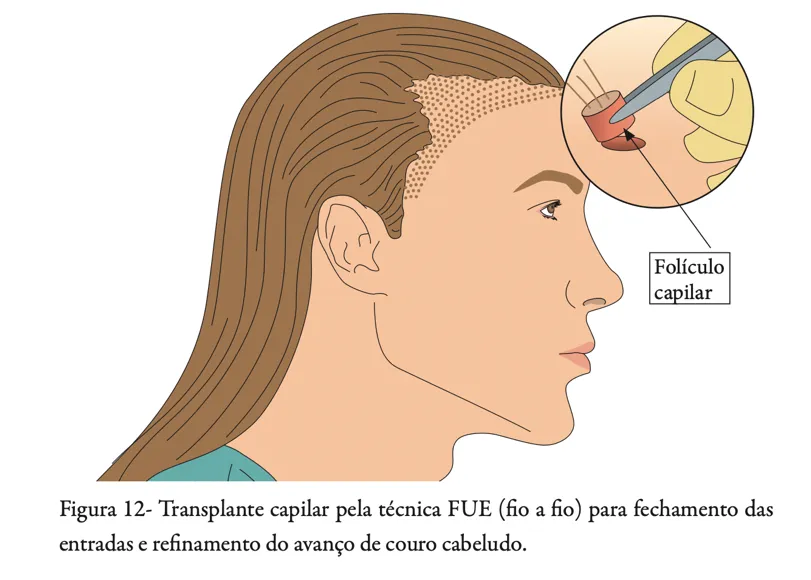
Hairline
The hairline can have an indirect influence on how gender is perceived. The shape of the hairline can only be changed with a hair transplant, while its height can be changed with scalp advancement surgery. It is very important to note that this feature (a high or less rounded hairline) can be present in a cisgender woman without representing masculinity.
Receding temples can be softened with follicular unit extraction (FUE) or with the scalp strip technique (FUT).
Techniques that may be combined
- Fat grafting
- Cheekbone surgery
- Lip lift
- Prominent ear correction (otoplasty)
- Blepharoplasty (eyelids)
- Facelift
Frequently asked questions
Which techniques are part of facial feminisation?
Forehead contouring or frontoplasty (forehead and eye socket bones), canthopexy (outer corner of the eyes), jaw and chin contouring and Adam's apple reduction (chondrolaryngoplasty). Fat grafting, cheekbone surgery, lip lift, otoplasty, blepharoplasty and facelift may be combined with these.
What is the difference between type I and type III forehead contouring?
In type I, bone is selectively reduced and the eye sockets are reshaped, without removing bone or using miniplates; it is indicated when the frontal bone is thick and has little projection. In type III, a section of bone is removed, reshaped and repositioned, then fixed with titanium miniplates and miniscrews or titanium mesh.
What is the forehead contouring scar like?
The incision is made in the scalp, either within the hair or along the hairline, and is placed along the hairline whenever the scalp is advanced. Most scars settle well over the years, but a hypertrophic, hypopigmented or atrophic scar may occur.
Can the hairline be changed?
Its shape can only be changed with a hair transplant, and its height can be changed with scalp advancement surgery. Receding temples can be softened with follicular unit extraction (FUE) or with the scalp strip technique (FUT).
Does the titanium material need to be removed?
Titanium material does not usually cause any problems and rarely needs to be removed.
Other procedures
Beginning Your Transition
First steps in gender transition: hormone therapy, psychotherapy, facial and body surgery, voice, and transition during adolescence.
Learn MoreSex Reassignment
Vaginoplasty by penile inversion, with peritoneum or with an intestinal segment, and robotic surgery in selected cases. Aims, techniques and indications.
Learn MoreBody Feminisation
Body feminisation: breast implants placed under the muscle, high-definition liposuction, fat grafting and gluteoplasty with fat or implants.
Learn MoreGet in Touch
We are here to help you