Sex Reassignment
Sex reassignment surgery (vaginoplasty) transforms male external genitalia into female genitalia, with a focus on function, appearance and sexual sensation. It is indicated for trans women, and the team's preferred technique is penile inversion; in selected cases, robotic vaginoplasty with peritoneum or with an intestinal segment is available. The technique is chosen at the consultation, after an individual assessment of each case.
About the Procedure
Sex reassignment surgery is a complex procedure that transforms male external genitalia into female genitalia. Sexual sensation is an important goal of this surgery, together with creating a functional vagina with an appearance the patient is comfortable with.
We use advanced techniques and, in selected cases, robotic surgery.
Aims of Vaginoplasty
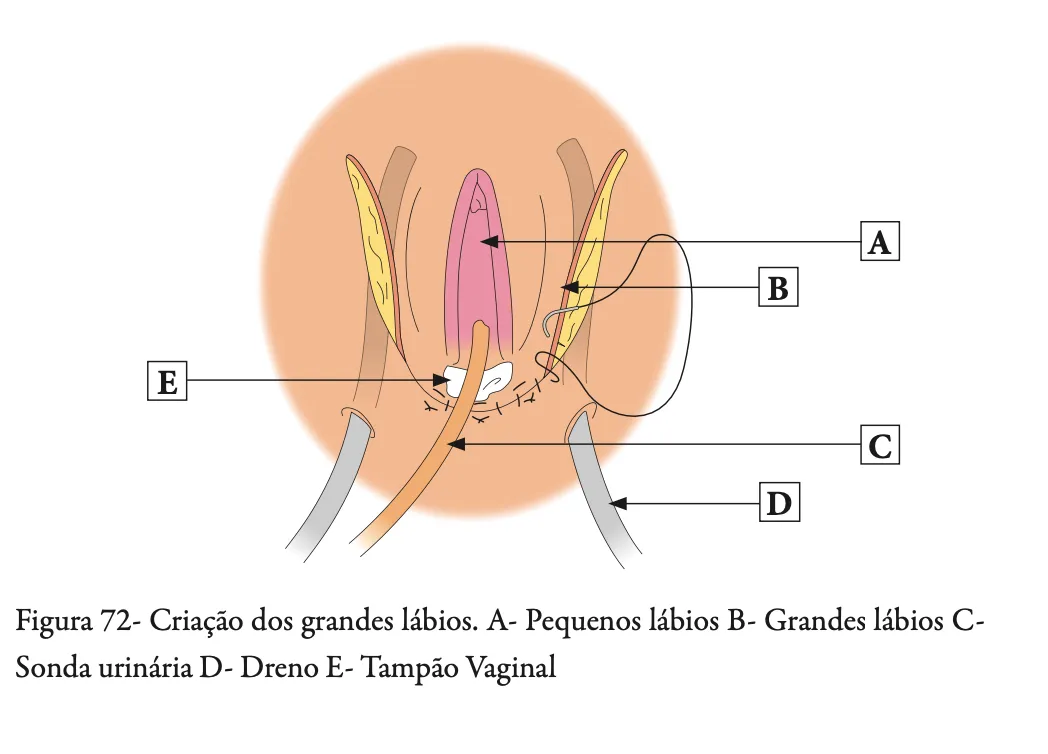
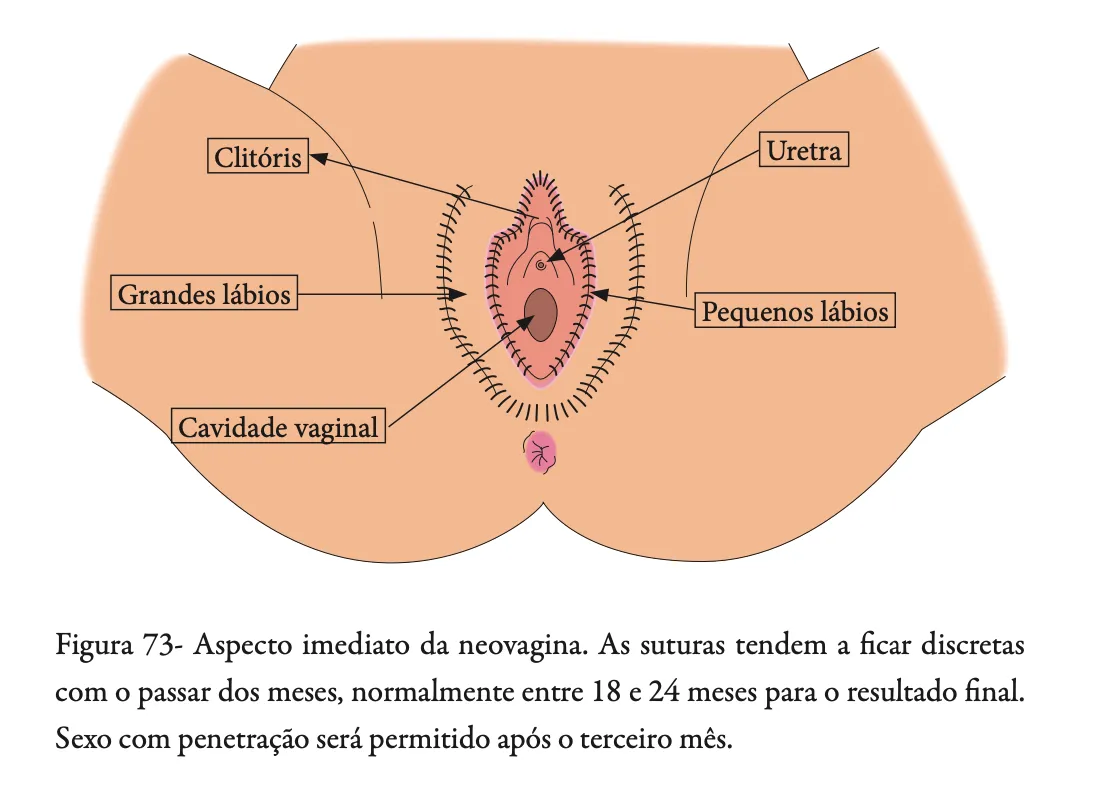
- Creating a healthy vulva with a natural appearance (including the clitoris, labia minora and majora and vaginal opening)
- Shortening the urethra, creating a urethral opening that allows a normal, straight urine stream
- Creating a neovagina with dimensions suitable for penetrative intercourse (at least 12 cm), ideally lined with moist, elastic, hair-free epithelium
- Removing erectile tissue (to prevent narrowing of the vaginal opening and protrusion of the urethral opening during sexual arousal)
- Making orgasm possible
Penile Inversion
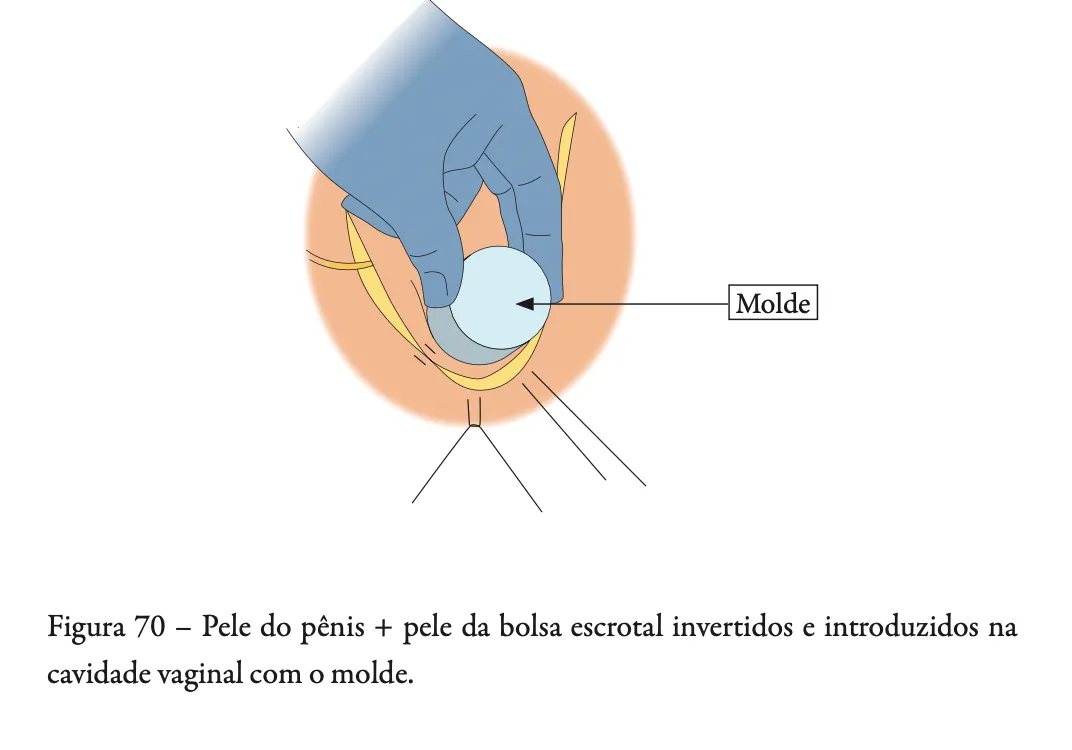
This is the technique most commonly used to create the neovagina and the one we prefer to recommend. The skin of the penis is inverted, joined to the scrotal skin and used to create the inner walls of the neovagina.
Description of the Technique
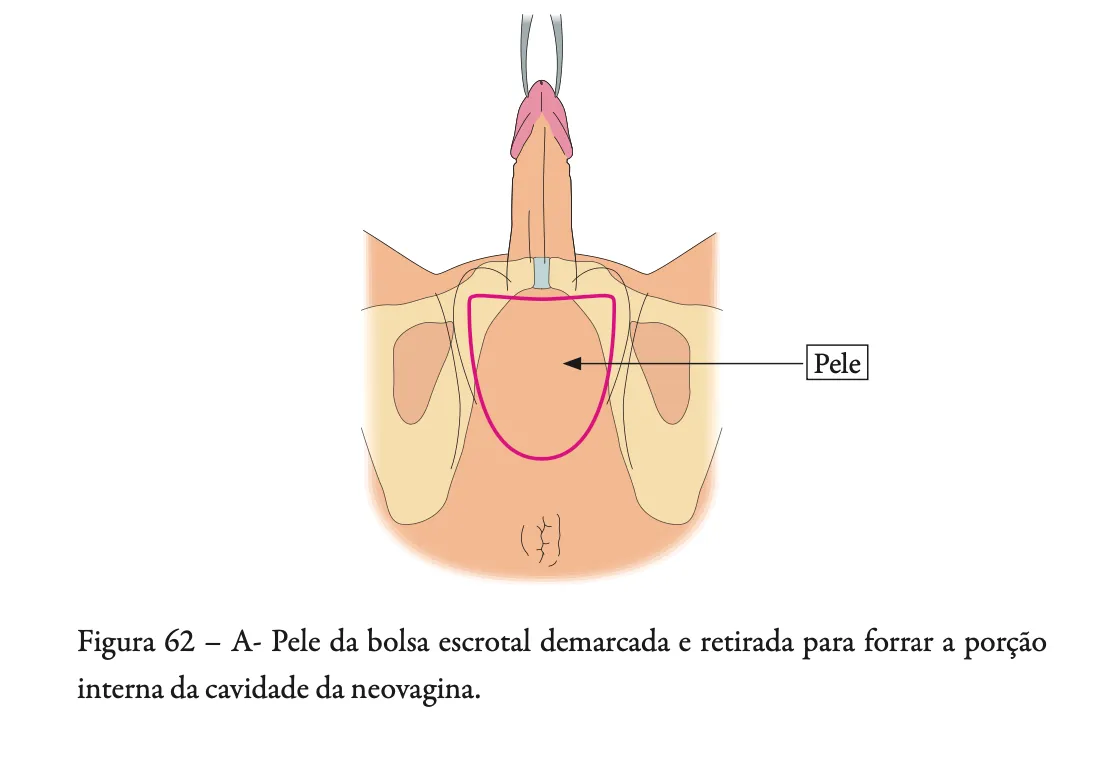
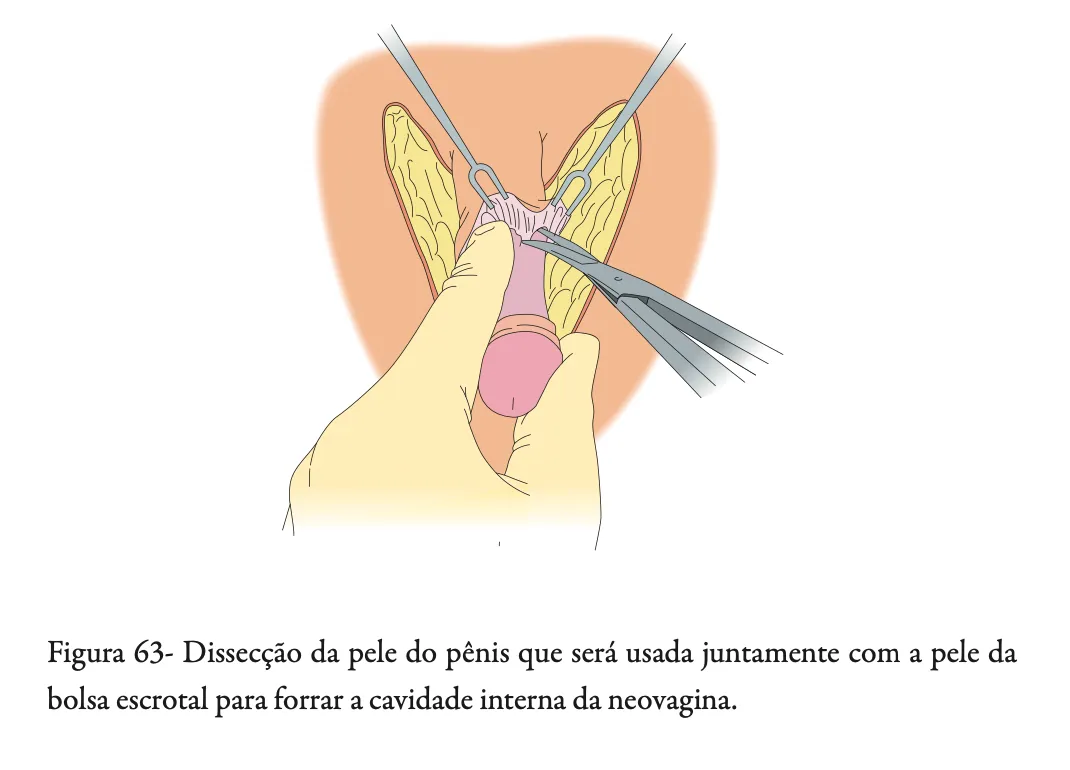
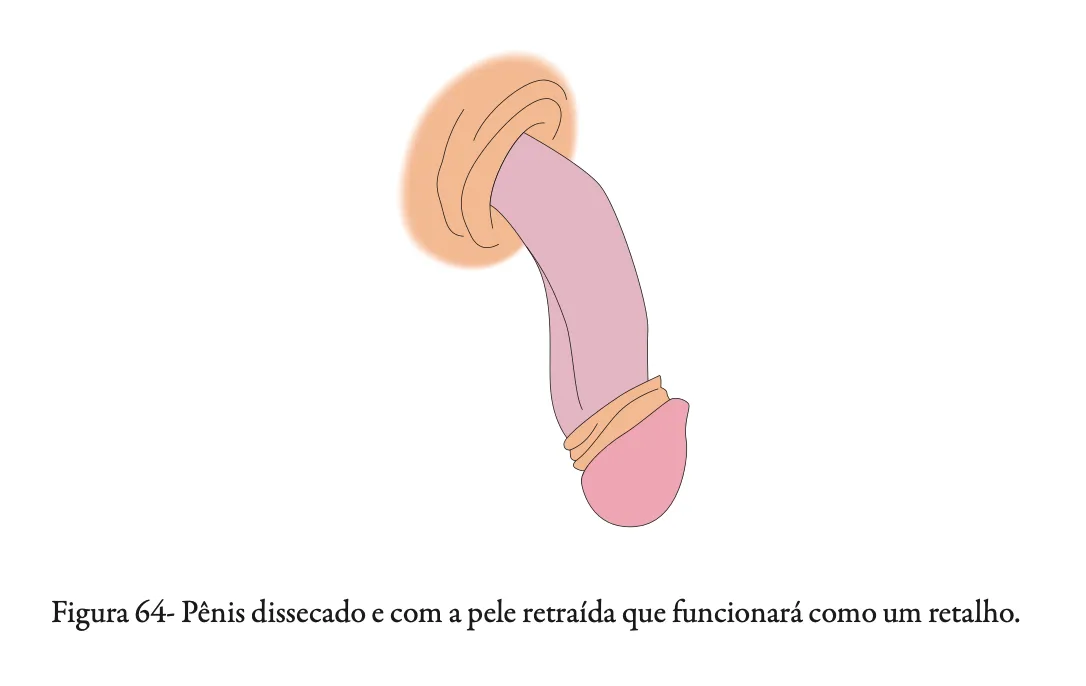
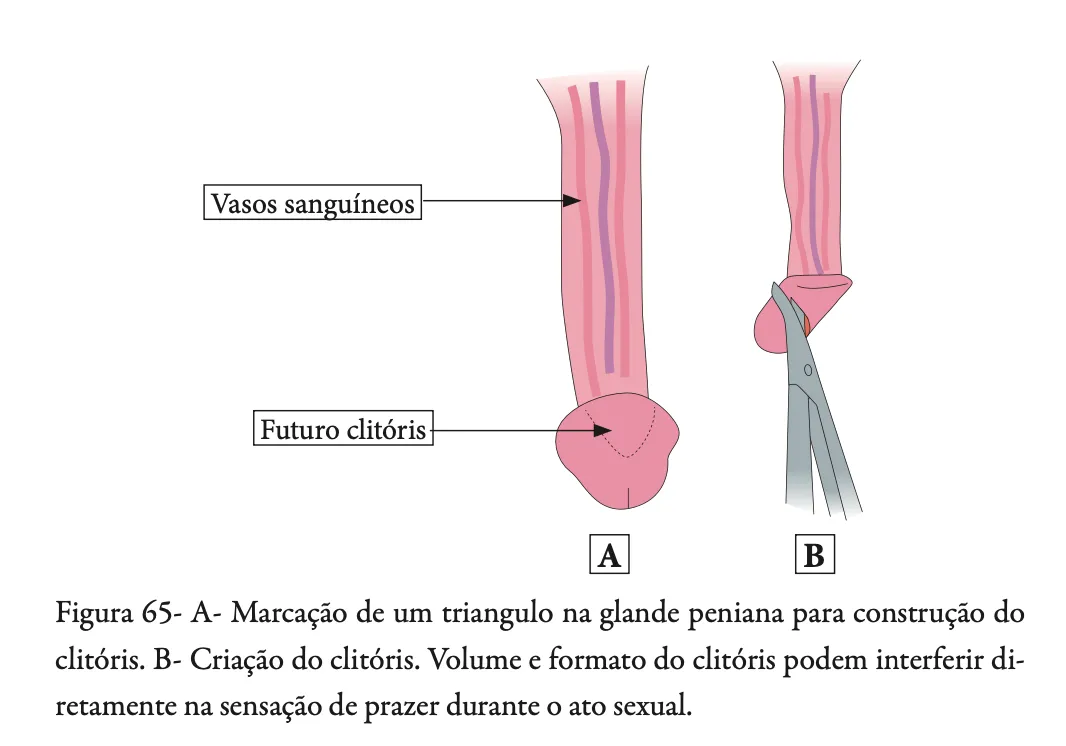
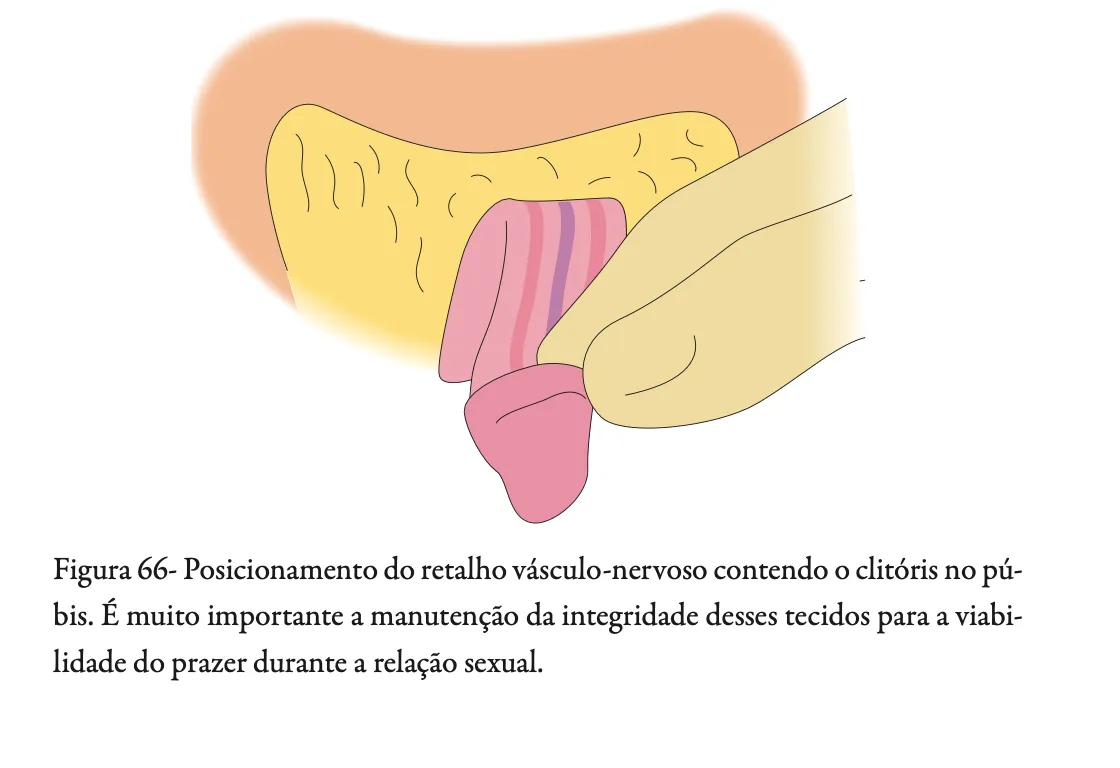
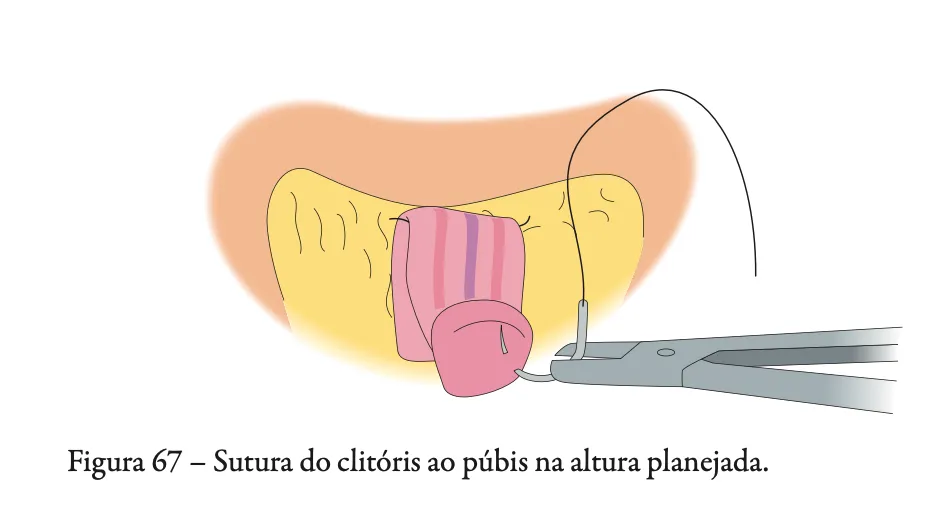
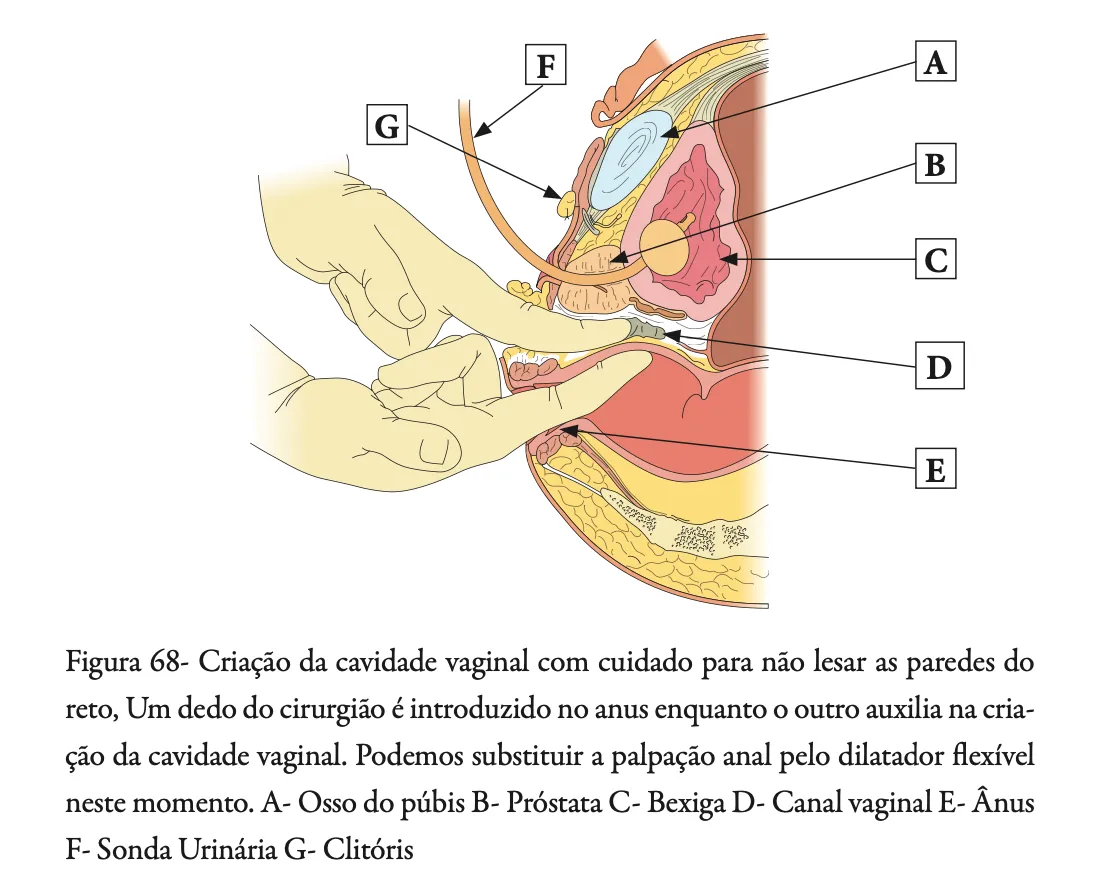
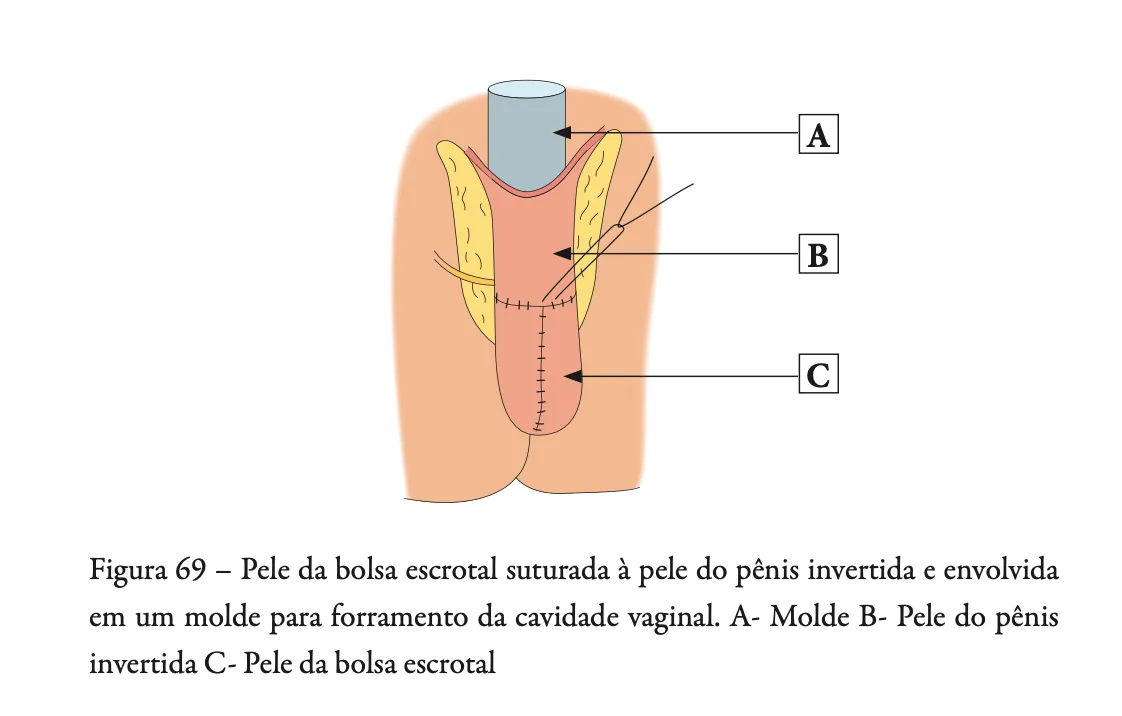
Robotic Surgery
Learn MoreTransgender Center Brazil uses robotic surgery in sex reassignment procedures.
Robotic Technology
Millimetre precision and magnified 3D visualisation

Dr. Rinaldo Danesi
Graduated from UFRGS, working in General, Oncological and Robotic Surgery. Dedicated international training in Robotic Sex Reassignment Surgery in Baltimore, Maryland, USA.
Robotic Peritoneal Vaginoplasty
Robotic peritoneal vaginoplasty uses peritoneal tissue, the membrane that lines the abdominal cavity, to create the vaginal canal. The Da Vinci robotic system gives precise access to the pelvic cavity through small incisions, allowing careful mobilisation of the peritoneum.
Depth
The vaginal canal is created using peritoneal tissue.
Natural Lubrication
The peritoneum produces natural lubrication.
Robotic Precision
Magnified 3D view and precise movements in confined spaces.
Small Incisions
Access is through small incisions in the abdomen.
Vaginoplasty with an Intestinal Segment
This technique uses a portion of the sigmoid colon to create the vaginal canal. It is particularly suited to patients who need revision surgery or who have conditions that limit other techniques. Intestinal tissue naturally produces mucus, which provides continuous lubrication.
Intestinal Tissue
A naturally moist and resilient lining.
Which Technique Is Right for You?
The choice between techniques depends on individual factors. During the consultation, we assess each case to recommend the appropriate option.
Peritoneal Technique
- Primary reassignment surgery
- When vaginal depth is a priority
- Subtle natural lubrication
Intestinal Technique
- Revision or secondary surgery
- Patients with limited penile tissue
- Abundant lubrication
- Cases of previous vaginal stenosis
Da Vinci Robotic System
High-definition 3D vision and articulated instruments with millimetre precision for complex procedures.
Magnified view
Instrument rotation
Stereoscopic vision
Why Choose Us
- Robotic surgical technology
- Full support before and after surgery
Frequently asked questions
What are the aims of vaginoplasty?
To create a healthy vulva with a natural appearance (clitoris, labia minora and majora and vaginal opening), to shorten the urethra for a normal, straight urine stream, to create a neovagina with dimensions suitable for penetrative intercourse (at least 12 cm), to remove erectile tissue and to make orgasm possible.
How does penile inversion work?
It is the most widely used technique for creating the neovagina and the one the team prefers to recommend. The skin of the penis is inverted, joined to the scrotal skin and used to form the inner walls of the neovagina.
When is the peritoneal technique indicated?
In primary reassignment surgery and when vaginal depth is a priority. The peritoneum, the membrane that lines the abdominal cavity, forms the lining of the vaginal canal using the Da Vinci robotic system and produces subtle natural lubrication.
When is the intestinal segment technique indicated?
In revision or secondary surgery, in patients with limited penile tissue and in cases of previous vaginal stenosis. It uses a portion of the sigmoid colon, which produces mucus and provides continuous lubrication.
How is the technique chosen?
The choice depends on individual factors and is made at the consultation, after each case has been assessed.
Other procedures
Beginning Your Transition
First steps in gender transition: hormone therapy, psychotherapy, facial and body surgery, voice, and transition during adolescence.
Learn MoreFacial Feminisation
Facial feminisation: type I and type III forehead contouring, canthopexy, jaw and chin contouring, Adam's apple reduction and associated techniques.
Learn MoreBody Feminisation
Body feminisation: breast implants placed under the muscle, high-definition liposuction, fat grafting and gluteoplasty with fat or implants.
Learn MoreGet in Touch
We are here to help you